






















article content
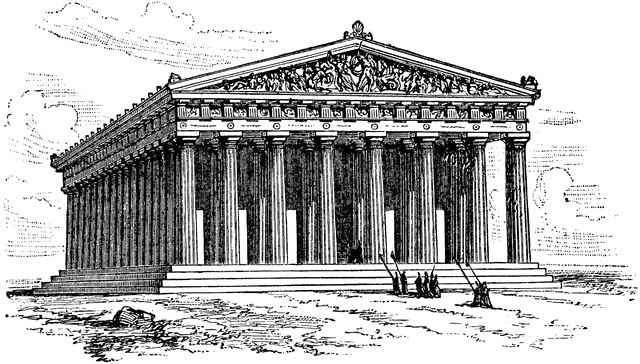
Greece is widely recognized as the cradle of Western civilization, laying the foundation for many aspects of modern society, including political systems, philosophy, and the arts. Greece is home to numerous UNESCO World Heritage sites, such as the Acropolis of Athens and the medieval Daphni Monastery, that showcase it's rich history and cultural heritage.As member of both the EU and the Union for the Mediterranean, Greece is a key player in the eastern Mediterranean region and has encouraged the collaboration between neighbors. With it's quality Mediterranean products, Greece's 750 food and beverage companies account for more than one-third of the country's total manufacturing output, while Food and Beverages exports had grown by almost 50% since the start of the crisis. Overall, Greek exports are up 15% so far this year, compared with last year.The industry has been undergoing a transformation-refocusing it's efforts on markets abroad, as it goes through a restructuring at home. Greece also has the largest economy in the Balkans, where it is an important regional investor.
Greece’s honey producers – building on a tradition stretching back three and-a-half millennia – are seeing growing recognition and exports even as bee cultures worldwide come increasingly under threat from environmental pressures.
Greece΄s food and beverage industry represents a dynamic, competitive and export oriented sector with significant investments and business activities in Greece, the Balkans and all of Europe, according to a recent report by the Foundation for Economic & Industrial Research. Despite the years of crisis, the sector has shown it remains a basic lever of economic growth.

Greece is a product of cultural and political encounters, of the streaming together of ideas, customs, languages, knowledge, and people in southern Europe and the eastern Mediterranean since antiquity.
Greece's cultural heritage can be described as largely based on a skillful reshaping of elements from Ancient Greek imagination, Byzantine glories and European Modernity that form a cosmopolitan spirit of modern Hellenism.
Greece is home to a wealth of cultural resources both tangible and intangible which have to be protected and promoted. The country has thus introduced suitable legal instruments and adopted and complied with various international regulations and conventions. However, the management of our built cultural heritage does not stop there. Nowadays, it incorporates spatial planning, combats illicit trade of antiquities, unifies sites, engages local societies and ensures the conditions required for its rational use and promotion. Three Greek cities have been designated as European Capitals of Culture (Athens, Thessaloniki, Patras), with Athens being the first one in the history of the institution.